April 10, 2019





Table of Contents
Sterilization Pouches are convenient, single-use wraps that can be easily inserted into small to midsize devices. These pouches are made of durable medical-grade paper and have a self-sealing strip to keep the contents sterile until opened. Using a sterile pouch that has passed its expiration date is considered off-label use by the Food and Drug Administration.
Vishakha Polyfab combines flexible packaging expertise, advanced manufacturing capabilities, and stringent quality practices to deliver reliable sterilization pouch solutions. With a strong focus on performance, consistency, and application-specific requirements, the company supports healthcare and pharmaceutical packaging needs with dependable quality.
The effectiveness of any sterilization pouch is governed by the international standard ISO 11607, which defines the requirements for materials and the validation of the sterile barrier system.
Pouches should always be stored in a dry and well-ventilated area to ensure the sterility of the contents, and also should be placed in covered cabinets to avoid cross-contamination during the delivery process. Sterilisation supplies should be kept out of reach of youngsters if at all possible. Before opening or using the sterile pouch, examine it to prevent any type of contamination.
To maintain the sterility of the contents, sterilization pouches should be tamper-evident. This means that an incorrectly opened pouch cannot be re-sealed without further processing. Additionally, the sterilization pouch should be made of high-grade paper or transparent polypropylene/polyester laminate film. It should be thick and should be big enough to hold all the instruments for sterilization without crowding.
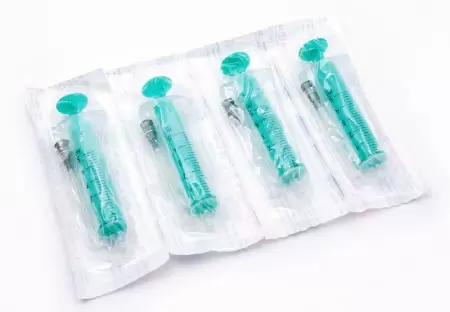 It is important to follow the manufacturer’s instructions when using heat-sealed sterilization pouches. They should not overlap with each other when placed in the sterilizer. Once the pouches have been thoroughly dried, they should not be handled until they are completely dry, also label sterile pouches with the date of sterilization and expiration.
Our Other Product
When used correctly, sterilization pouches can be a great help in the operating room. Besides being sterile, they also make it easier to handle the devices. In addition, they are easy to sterilize and store. And they are also FDA-approved, allowing them to be used in hospitals.
The materials utilized are safe when sterilization is done correctly. In sterilizing pouches, high-quality packaging is utilized, and it is crucial to use medical-grade material, as it provides a lot of benefits, and expense is one of them. Some of the most effective sterilisation pouches are inexpensive and simple to keep and use.
A sterilization pouch is not the ideal choice for all kinds of items. A pouch is a perfect solution for small, low-profile items. It allows steam to penetrate the product without affecting the sterility of the contents. In addition, it’s easy to keep sterile items in a bag after sterilization. It’s also easy to keep them safe during a trip to the doctor’s office.
 These sterile bags can also protect the environment from contaminants. Moreover, they are recyclable. When sterilization is done properly, sterilization pouches are more hygienic. You can reuse or recycle them in your laboratory. Depending on the type of sterilization equipment you use, you’ll need to store dental instruments in sterile pouches. If you have new instruments, you should dispose of them after sterilizing, or store them in sterilization pouches.
These pouches are used to store dental instruments after sterilization. They are essential in preventing contamination and the spreading of infections. After the instruments have been cleaned, simply fold the pouch and place the equipment inside. To prevent the packaging from tearing, load the sterilization pouch with the clean instruments. Then seal it and store it in a sterilization cabinet. Once the process is complete, you can begin working with the patient’s instruments.
Read Our Article
To maximize the effectiveness of sterilization pouches, it’s important to adhere to best practices. Ensure that instruments are thoroughly cleaned and dried before placing them in the pouch, as residual moisture can compromise the sterilization process. Avoid overloading pouches, as overcrowding can prevent proper sterilization and lead to pouch damage. Clearly label each pouch with the date of sterilization and any relevant information to maintain accurate records and facilitate easy identification. Regularly inspect the pouches for any signs of damage or wear, and replace them as necessary to ensure optimal performance. By following these best practices, healthcare facilities can maintain high standards of hygiene and patient safety.
Not all pouches are compatible with all sterilization methods. Using the wrong material is a leading cause of “Cycle Aborts” and failed sterility:
To ensure 100% steam penetration and effective drying, the orientation of the pouches in the sterilizer is critical:
Recent advancements in sterilisation pouch design have introduced features that further enhance their functionality and ease of use. Some modern pouches come with built-in chemical indicators that change color to confirm the sterilisation process has been completed successfully, providing an added layer of assurance for healthcare professionals. Additionally, innovations such as reinforced seals and tear-resistant materials help ensure that the pouches remain intact during handling and storage. These enhancements not only improve the reliability of sterilisation pouches but also contribute to more efficient and safer medical practices.
While your pouch may have built-in indicators, it is crucial to understand the ISO 11140-1 classification to ensure you are truly monitoring the process:
A common reason for sterility failure is a phenomenon known as wicking.
The industry has largely moved away from “Time-Related” expiration (e.g., “sterile for 30 days”) toward Event-Related Sterility (ERS).
Sterilization pouches are ideal for containing instruments during the sterilization process. A heat sealer or mechanical sealing can be used to seal pouches, and these sterilization pouches are made of reusable and biocompatible substances and come in a range of sizes and forms.

Vishakha Polyfab Pvt. Ltd. is a global pioneer in high-barrier flexible packaging, specializing in advanced 9-layer co-extruded PA/EVOH-based films. Headquartered in Ahmedabad, India, the company utilizes world-class Brampton Engineering (Canada) and Aqua Frost® water-quenched technology to deliver superior shelf-life extension solutions. From Modified Atmosphere Packaging (MAP) to deep-draw thermoforming applications, Vishakha Polyfab delivers compliant, high-performance materials that protect product integrity throughout complex international supply chains. Their expertise in vacuum packaging, thermoforming, and lidding films helps enterprise-level brands in the food, pharmaceutical, and industrial sectors optimize packaging performance and sustainability.


 Email Us Now!
 Contact Now!