



info.vppl@vishakha.com

+91 9879105255

united-states-flag-icon

sales.vppl@vishakha.com

  • info@pink-swan-218882.hostingersite.com
  • +91 9879105255
  • united-states-flag-icon
  • sales.usa@pink-swan-218882.hostingersite.com
Vishakha
  • Home
  • About Us
    • About Vishakha Group
    • Policies
  • Technology
    • R&D Mastery in Action
    • Quality and System
    • Print Solutions
    • Application Development
  • Markets
    • Food Packaging
    • Non Food Packaging
    • Consumer Packaging
  • Products
    • VISHVACU
      Vacuum Packaging
    • VISHFORM
      Thermoforming Films
    • VISHTOP
      Top Lidding Films
    • VISHBARR
      Barrier Films
    • VISHLAMI
      Lamination Films
  • Sustainability
    • REGAIN
      Recyclable Packaging Solutions
  • News
  • Career
  • Home
  • About Us
    • About Vishakha Group
    • Policies
  • Technology
    • R&D Mastery in Action
    • Quality and System
    • Print Solutions
    • Application Development
  • Markets
    • Food Packaging
    • Non Food Packaging
    • Consumer Packaging
  • Products
    • VISHVACU
      Vacuum Packaging
    • VISHFORM
      Thermoforming Films
    • VISHTOP
      Top Lidding Films
    • VISHBARR
      Barrier Films
    • VISHLAMI
      Lamination Films
  • Sustainability
    • REGAIN
      Recyclable Packaging Solutions
  • News
  • Career
Contact
  • Home
  • About Us
    • About Vishakha Group
    • Policies
  • Technology
    • R&D Mastery in Action
    • Quality and System
    • Print Solutions
    • Application Development
  • Markets
    • Food Packaging
    • Non Food Packaging
    • Consumer Packaging
  • Products
    • VISHVACU
      Vacuum Packaging
    • VISHFORM
      Thermoforming Films
    • VISHTOP
      Top Lidding Films
    • VISHBARR
      Barrier Films
    • VISHLAMI
      Lamination Films
  • Sustainability
    • REGAIN
      Recyclable Packaging Solutions
  • News
  • Career
  • Contact Us

From Boilable Pouches to Freezer-to-Bath Prep – Advanced Culinary Techniques

February 10, 2026

Listen Article:

0:00 / 0:00

Table of Contents

  • AI Summary
  • The Foundation of Precision Cooking
  • What are the primary differences between standard vacuum seal pouches and boilable vacuum pouches?
  • Can I use resealable vacuum freezer bags for long-term meal prepping and then go directly to the sous vide bath?
  • How do I handle liquids like marinades or oils in vacuum pouches for food?
  • Are reusable food vacuum bags safe for high-heat sous vide cooking?
  • Why are embossed vacuum pouches necessary for most home kitchen sealers?
  • Can I use resealable sous vide bags for multiple cooking cycles?
  • What makes biodegradable food saver bags a viable alternative?
  • How do I prevent “bag float” when cooking lightweight vegetables?
  • Is it safe to reheat food in the same vacuum seal pouches it was stored in?
  • What are the best practices for labeling and organizing vacuum bags for food?
  • Why Choose Vishakha Polyfab for Your Vacuum Packaging Needs?
  • Conclusion Elevating Every Meal with the Right Pouch

Share At:

Table of Contents

  • AI Summary
  • The Foundation of Precision Cooking
  • What are the primary differences between standard vacuum seal pouches and boilable vacuum pouches?
  • Can I use resealable vacuum freezer bags for long-term meal prepping and then go directly to the sous vide bath?
  • How do I handle liquids like marinades or oils in vacuum pouches for food?
  • Are reusable food vacuum bags safe for high-heat sous vide cooking?
  • Why are embossed vacuum pouches necessary for most home kitchen sealers?
  • Can I use resealable sous vide bags for multiple cooking cycles?
  • What makes biodegradable food saver bags a viable alternative?
  • How do I prevent “bag float” when cooking lightweight vegetables?
  • Is it safe to reheat food in the same vacuum seal pouches it was stored in?
  • What are the best practices for labeling and organizing vacuum bags for food?
  • Why Choose Vishakha Polyfab for Your Vacuum Packaging Needs?
  • Conclusion Elevating Every Meal with the Right Pouch

AI Summary

This comprehensive guide explores the intersection of material science and culinary precision, focusing on the critical role of specialized vacuum packaging in sous vide cooking. From the durability of boilable vacuum pouches for high-heat vegetables to the efficiency of “Freezer-to-Bath” meal prepping with resealable vacuum freezer bags, the article provides technical solutions for both home cooks and professional chefs. By addressing safety, sustainability through biodegradable food saver bags, and equipment compatibility, it serves as a definitive resource for optimizing food quality and kitchen workflow.

We’re Ready to Help!

Email
Email Us

The Foundation of Precision Cooking

The transition from traditional stovetop methods to the precision of sous vide is often heralded as a culinary revolution, yet the success of this technique rests on a frequently overlooked hero: the vacuum pouch. To achieve the perfect edge-to-edge medium-rare steak or a vibrant, tender root vegetable, the barrier between the water and the food must be absolute. Using the wrong plastic vacuum seal bags can lead to leaked seals, off-flavors, or even safety concerns at higher temperatures. This article provides a technical deep dive into the diverse world of sous vide bags and vacuum seal pouches, offering expert insights into which sealable bags for food are best suited for advanced techniques like liquid marinating, long-term freezing, and high-heat boiling.

What are the primary differences between standard vacuum seal pouches and boilable vacuum pouches?

While they may look identical, the material science varies significantly. Standard vacuum seal pouches are designed for low to mid-range temperatures (up to 70°C). However, boilable vacuum pouches are engineered with higher-density co-extruded layers that can withstand temperatures exceeding 100°C without the risk of delamination or “off-gassing.”

These food heat seal bags are essential for cooking root vegetables like carrots and beets, which require temperatures near 85°C to break down pectin. Standard plastic vacuum seal bags may soften or the seal may fail at these higher temperatures, leading to a “leaky bag” disaster.

Read Our Article

Zipper Pouches in Garden & Agriculture: Storing Seeds and Agro Products

Can I use resealable vacuum freezer bags for long-term meal prepping and then go directly to the sous vide bath?

Yes, this is known as “Freezer-to-Bath” prep, and it is a game-changer for busy kitchens. Using resealable vacuum freezer bags allows you to season your proteins, vacuum seal them, and freeze them immediately.

When you are ready to cook, you don’t need to thaw. You can drop the frozen vacuum seal pouches directly into the preheated water bath.
  • Pro Tip: When cooking from frozen, add an extra 50% to the standard cooking time to ensure the core of the food reaches the target temperature.
  • Storage: Using resealable vacuum food bags for this process ensures that the food remains protected from freezer burn, as the removal of air prevents ice crystal formation on the surface of the meat.

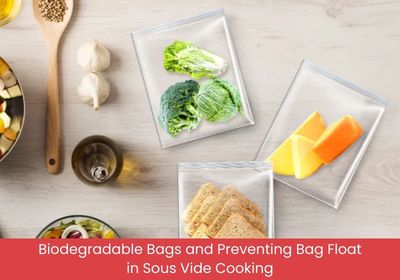
Biodegradable Bags Preventing Bag Float Sous Vide Cooking

How do I handle liquids like marinades or oils in vacuum pouches for food?

Sealing liquids is the most common challenge for those using suction-type sealers. If you are using vacuum pouches for food packaging with a standard edge sealer, the machine will often suck the liquid into the vacuum chamber, ruining the seal.

Techniques for Sealing Liquids:

  • The Freeze Method: Freeze your marinade in an ice cube tray, then drop the “marinade cubes” into the sous vide bags with your meat before sealing.
  • The Gravity Method: Hang the bag over the edge of the counter so the liquid stays at the bottom while the sealer pulls air from the top.
  • Chamber Vacuum Sealers: If you use professional vacuum pouches for food in a chamber sealer, the atmospheric pressure allows you to seal full bags of soup or heavy marinades without any mess.

Our Other Product

Thermoforming Film

Are reusable food vacuum bags safe for high-heat sous vide cooking?

Sustainability is increasingly important, and many chefs are moving toward reusable food vacuum seal bags. Typically made from heavy-duty silicone or thicker BPA-free plastics, reusable vacuum seal food bags are excellent for eco-conscious kitchens.

However, check the temperature rating. While most reusable food vacuum bags are dishwasher safe and can handle standard sous vide temperatures, they may not be as effective as boilable vacuum pouches for very high-heat applications. For fatty meats, ensure you clean reusable food vacuum bags thoroughly with grease-cutting soap to prevent bacterial growth.

Let’s Discuss! Request a Call Now!
CallCall Now!

Why are embossed vacuum pouches necessary for most home kitchen sealers?

If you use a “clamp-style” sealer (like a FoodSaver), you must use embossed vacuum pouches. These bags have a textured or “mesh” side that creates tiny channels. These channels allow the air to be sucked out even when the two sides of the bag are pressed together.

Smooth vacuum pouches for food packaging are designed for chamber machines; if you try to use them in a home sealer, the machine will pull the two smooth sides together, “locking” the air inside and failing to create a vacuum.

Can I use resealable sous vide bags for multiple cooking cycles?

While resealable sous vide bags (often featuring a hand-pump or zip-lock vacuum system) are marketed as multi-use, proceed with caution.

  • Vegetables/Fruit: High safety. You can wash and reuse these resealable vacuum food bags multiple times.
  • Raw Proteins: Higher risk. If you cook chicken or pork, the proteins and fats can get trapped in the seal or corners. For safety, many professionals treat sous vide pouches used for raw meat as single-use, or switch to heavy-duty silicone reusable vacuum seal food bags that can be boiled for sterilization.

What makes biodegradable food saver bags a viable alternative?

The latest innovation in the industry is the biodegradable food saver bags. These are made from compostable materials like PLA (polylactic acid). While they are excellent for dry storage, their use as sous vide cooking pouches is still limited. Most biodegradable food saver bags have a lower melting point, meaning they may begin to break down if submerged in hot water for several hours. Always check for a “sous vide safe” certification before using compostable options for cooking.

Read Our Article

Why 3 Mil Vacuum Pouches Are Essential for Food Preservation?

How do I prevent “bag float” when cooking lightweight vegetables?

Vegetables often contain internal air that expands when heated, causing sous vide pouches to float.

  • Double Bagging: Use two vacuum seal pouches to ensure a heavy-duty seal.
  • Weighted Clips: Use a heavy binder clip or a specialized sous vide weight inside the food vacuum pouches.
  • The Displacement Method: If you don’t have a vacuum sealer, you can use food saver resealable bags and use the water displacement method to push the air out.

Is it safe to reheat food in the same vacuum seal pouches it was stored in?

Generally, yes, provided you used boilable vacuum pouches or high-quality heat sealable bags for food. If you prepared a meal in resealable vacuum freezer bags, you can drop the entire bag into a pot of simmering water to reheat. This is the “boil-in-bag” method used by many high-end catering companies to maintain the moisture and flavor profile of the dish without drying it out in a microwave.

What are the best practices for labeling and organizing vacuum bags for food?

Organization is key to a successful “Freezer-to-Bath” system.

  • Labeling: Use a permanent marker on the food heat seal bags before filling them. Include the item name, date, and “Target Temp/Time.”
  • Flat Freezing: Lay your vacuum seal pouches flat in the freezer until solid. This allows you to stack them like “files” in a cabinet, maximizing space and ensuring even thawing/cooking when they hit the water bath.
Pouch TypeBest Use CaseTemperature Limit
Embossed Vacuum PouchesHome kitchen suction sealersUp to 75°C
Boilable Vacuum PouchesHigh-heat vegetables (85°C+)Up to 110°C
Resealable Vacuum Freezer BagsLong-term prep & reheatingUp to 70°C
Reusable Silicone BagsEco-friendly daily cookingUp to 200°C
Biodegradable BagsDry storage & short-term fridge use< 50°C

Our Other Product

Top Lidding Films

Why Choose Vishakha Polyfab for Your Vacuum Packaging Needs?

Choosing Vishakha Polyfab means partnering with India’s pioneer in high-barrier, multi-layer flexible packaging. As a global leader in the industry, Vishakha Polyfab specializes in advanced 9, 7, and 5-layer co-extruded films that provide an unparalleled barrier against moisture, oxygen, and external contaminants. Our VishVacu range is specifically tailor-made to meet the rigorous demands of professional kitchens, offering boilable vacuum pouches that are ideal for high-heat sous vide cooking pouches applications without compromising food safety. Furthermore, our commitment to sustainability is reflected in the Regain line of recyclable barrier films, ensuring that you don’t have to sacrifice environmental responsibility for high-performance vacuum pouches for food packaging. Whether you require embossed vacuum pouches for specialized retail use or heavy-duty plastic vacuum seal bags for industrial storage, Vishakha Polyfab delivers the durability, puncture resistance, and extended shelf-life your products deserve.

Conclusion: Elevating Every Meal with the Right Pouch

Mastering advanced sous vide techniques is as much about the tools as it is about the ingredients. As we have explored, the choice between embossed vacuum pouches and smooth vacuum pouches for food packaging can dictate the success of your vacuum seal, while the shift toward reusable food vacuum bags reflects a growing commitment to sustainable kitchen practices. By understanding the specific applications of boilable vacuum pouches and the logistical ease of resealable vacuum food bags, culinary enthusiasts can push the boundaries of texture and flavor. Ultimately, investing in high-quality sous vide cooking pouches is an investment in the integrity of your food, ensuring that every dish you serve is preserved, cooked, and presented with professional-grade excellence.


Inquire Now for More Information
Contact Us!

Vishakha

Make Vishakha Polyfab the silent guardian of your products to preserve their vigour and enhance the quality of user interaction with them.

Sign Up for Our Newsletter​

    Corporate Head Office

    • VISHAKHA HOUSE,
      Corporate House No. – 9,
      Inspire Business Park, Shantigram,
      Near Vaishnodevi Circle, S G Highway,
      Ahmedabad – 382421, Gujarat, India.

    Social Media

    Facebook-f

    An ISO & BRCGS Certified Company

    ISO Certificate
    BRCS Packaging Materials Certified

    Manufacturing Address

    • Plot no. 549/2, Vadsar, P.O. Khatraj,
      Ta: Kalol (N.G). 382721.
      Dist: Gandhinagar. Gujarat. India.
    • Info@vishakhapolyfab.com
    • sales@vishakhapolyfab.com
    • +91 - 79 - 61907373
    Copyrights © 2026 All Rights Reserved by Vishakha PolyFab Pvt Ltd.
    • Privacy Policy
    • Cookie Policy
    • Legal Notice and Terms of Use
    • Accessibility Policy

      Apply Now


      By continuing to use this website, you consent to the use of cookies in accordance with our Cookie Policy.