July 6, 2020

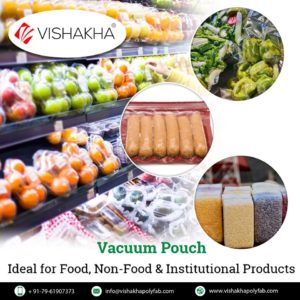
The attractive display of vacuum-packed foods on the shelves displays innovation at its best. Vacuum pouches offer a lot more than the aesthetics.
Vacuum packing, also referred to as reduced oxygen packing and utilizes special packing materials referred to as vacuum pouches. Presence of oxygen creates a rich medium for development of spoilage microorganisms, which leads to faster deterioration of edible products and pose a serious food safety risk. Oxygen is mechanically reduced in the package thus altering the normal environment of development of microorganisms.
Some advantages of vacuum pouches in vacuum packing include slowing of microbial growth, prevention of fading/color changes and reducing moisture losses.
Despite elimination of oxygen, there are still other microbes developing in the absence of oxygen. These are called anaerobic bacteria, the most obnoxious being Clostridium botulinum. Another anaerobic bacterium is called listeria monocytogenes developing even at very low temperatures.
These microbes are managed through vacuum packing and this is done through four key processes, which are temperature management, reducing the shelf life, enhancing sanitation, and using the correct vacuum pouches.
Depending on the manipulation of gases in the package, certain types of oxygen packing are recognized. These include;
The recommended temperatures by the international food code stipulate a temperature of 410 F or at least five degrees lower than 32 degrees. This effectively prevents growth of listeria. Addition of multiple barriers to the food keeps away the clostridium botulinum bacteria.
Food packaging material to be used is determined primarily by the type of food. Regulations governing food packaging includes the food code /Codex Alimentarius, and the ISO 22000 (global standards for food safety). Among the auditable standards includes prove of non-existence of bacteria and a microbial swipe must be done regularly to ensure the safety of the food.
Vacuum packing and the use of vacuum pouches are effective measures in the prevention of contamination in packed foods. Adherence to the required temperature and barrier requirements ensures total elimination of contamination.