January 7, 2023





Table of Contents
In the modern food industry, the battle against spoilage is constant. As global supply chains stretch further and consumer demand for “fresh-from-the-farm” quality rises, vacuum packaging has emerged as a cornerstone technology. By 2026, the use of vacuum pouches has transcended simple storage, becoming a sophisticated tool for biological time-management that significantly reduces food waste and enhances food security.
This article explores how vacuum pouches extend the shelf life of perishable goods like meats, seafood, and dairy, maintaining their integrity from production to the consumer’s plate.
The fundamental principle of vacuum packaging—often referred to as Reduced Oxygen Packaging (ROP)—is the creation of an anaerobic (oxygen-free) environment. Oxygen is the primary catalyst for food degradation; its removal triggers several protective mechanisms:
Read Our Article
Why Indian Vacuum Bags Are in High Demand in the USA and Canada
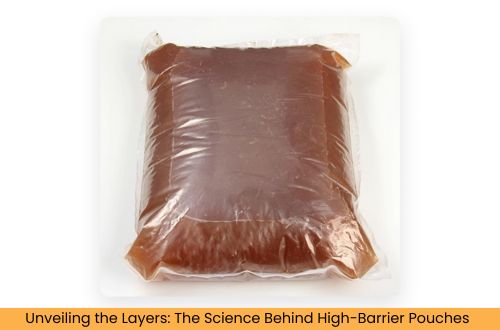
A common misconception is that all vacuum bags are made of simple plastic. In reality, high-performance vacuum pouches are engineered multi-layer structures.
Oxygen is the enemy of fresh red meat’s color. While meat in a vacuum state initially turns a deep purple (deoxymyoglobin), the absence of air prevents the grayish-brown discoloration associated with spoilage. Vacuum pouches also facilitate “Wet Aging,” where enzymes naturally tenderize the meat within the pouch without the weight loss associated with traditional dry-aging.
Seafood is among the most sensitive perishables. Vacuum pouches are critical here because they eliminate air pockets that cause freezer burn during blast freezing. By shielding delicate fish fillets from cold, dry air, vacuum packaging ensures that the texture remains firm and the flavor remains “ocean-fresh” even after months of frozen storage.
For cheeses, vacuum packaging is used to stop secondary fermentation and mold growth. By removing oxygen, manufacturers can maintain the specific moisture level and texture of semi-hard cheeses like Cheddar or Gouda, preventing them from becoming brittle or developing off-flavors during the distribution cycle.
Our Other Product
While vacuum packaging is a powerful tool, it is not a standalone solution. Because it creates an oxygen-free environment, it can favor the growth of anaerobic bacteria, such as Clostridium botulinum, which produces toxins without changing the food’s smell or appearance.
The industry is currently pivoting toward two major innovations:
Read Our Article
As a global leader in high-barrier flexible packaging, Vishakha Polyfab plays a pivotal role in the supply chain by providing the advanced material science required to make vacuum packaging effective. Our expertise in co-extrusion technology addresses the specific challenges of perishability, durability, and sustainability.
Here is how Vishakha Polyfab provides a competitive edge to food manufacturers and processors:
While standard pouches use basic 3-layer structures, Vishakha Polyfab specializes in high-tech multi-layer co-extruded films. By “stacking” up to 11 layers of different polymers, they create a superior barrier that is significantly thinner yet stronger than traditional alternatives.
Vishakha Polyfab does not offer a “one-size-fits-all” product. We tailor our vacuum pouches to the specific biochemical needs of the food:
One of the biggest hurdles in vacuum packaging is that traditional multi-material pouches (like Nylon/PE) are difficult to recycle. Vishakha Polyfab is at the forefront of the Circular Economy by developing:
For large-scale manufacturers, the “runnability” of the film is as important as the barrier. Vishakha Polyfab’s vacuum pouches are designed for:
By choosing a partner like Vishakha Polyfab, food processors gain access to the highest tier of packaging science. Their ability to balance shelf-life extension with structural durability and recyclability makes them an essential asset for any business looking to reduce food waste and optimize their global distribution.
Vacuum pouches do more than just keep food fresh; they revolutionize the economics of the food industry. By extending shelf life by up to 3 to 5 times compared to traditional methods, they allow for bulk purchasing, reduce retail “shrinkage,” and lower the carbon footprint associated with food waste. In a world striving for efficiency, the vacuum pouch remains an indispensable ally in the quest for a more sustainable and high-quality food supply.