
July 24, 2026
Table of Contents




Table of Contents
Lamination films are engineered differently depending on the industry they serve because each food and beverage category has its own sensitivity to oxygen, moisture, light, temperature, and mechanical damage. Dairy, snack, frozen food, meat, poultry, seafood, coffee, tea, confectionery, bakery, biscuit, chocolate, cheese, milk powder, edible oil, beverage, spice, pet food, fruit, and vegetable packaging all rely on laminated films built from combinations of PET, BOPP, CPP, PE, BOPA, metallized films, foil, and PA EVOH barrier layers. The right laminate slows oxidation, blocks moisture transfer, preserves aroma, and protects products from crushing or puncture during transport. Vishakha Polyfab designs laminated films for each of these categories through its VISHLAMI range, offering barrier levels, seal strength, and print finishes matched to what a specific food product needs to stay fresh from the factory to the consumer.
Every packaged food product degrades through a different pathway. Fats oxidize when exposed to oxygen and light. Dry powders absorb moisture from the air and clump. Frozen food loses quality through freezer burn caused by moisture migration. Because these degradation mechanisms differ, a single generic laminate cannot serve every category equally well. Research on food packaging barrier requirements published by the Food and Agriculture Organization of the United Nations highlights that matching packaging barrier properties to a food’s specific spoilage mechanism is one of the most effective ways to reduce food waste across the supply chain. This is the scientific reasoning behind building lamination film structures around the industry they will serve.
Dairy products such as milk, yogurt, and cream are sensitive to light induced oxidation and microbial spoilage. Laminates for UHT milk and dairy pouches commonly combine PE with a barrier layer to block light and oxygen, allowing ambient shelf stability for months. Vishakha Polyfab supplies dairy focused laminated and barrier films used in UHT milk pouch and dairy packaging applications.
Snack foods such as chips, wafers, and namkeen are high in fat content, which makes them prone to rancidity when exposed to oxygen. Metallized BOPP or metallized PET laminates are widely used because they provide a strong oxygen and light barrier at a lower cost than foil while keeping the pack lightweight and giving it an attractive metallic shine for retail shelves.
Frozen food packaging must withstand low temperature flexing without cracking and must resist moisture vapor transfer that causes freezer burn. Laminates for this category typically use PE or BOPA as a puncture resistant, cold tolerant layer combined with a barrier layer to keep frozen texture intact over long storage periods.
Ready to eat food packaging often needs to survive retort sterilization, where the pack is heated under pressure to extend shelf life without refrigeration. This requires laminates built with heat resistant PET or BOPA outer layers, an aluminium foil or high barrier EVOH middle layer, and a CPP sealant layer rated for retort temperatures.
Meat packaging must provide a strong oxygen barrier to prevent discoloration and spoilage while also resisting punctures from bone fragments. BOPA nylon laminated with PE or EVOH barrier layers is a standard combination for vacuum packed meat, since nylon offers the toughness needed and the barrier layer maintains color and freshness.
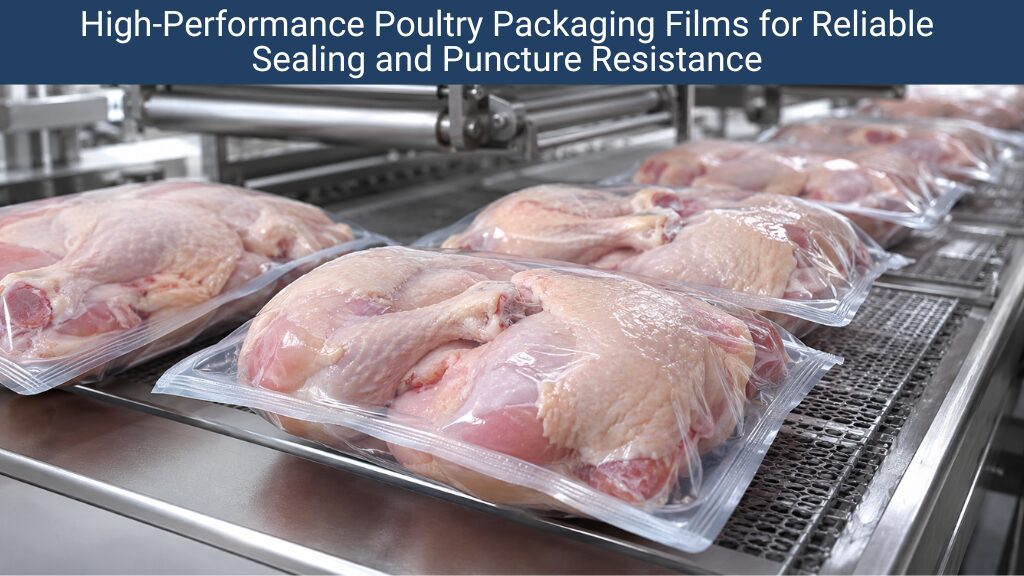
Poultry packaging shares many requirements with meat packaging but often needs even higher puncture resistance due to bone structure, along with a reliable seal across variable fat and moisture content on the sealing surface. Laminates with a wide sealing window and high hot tack strength are preferred for high speed poultry packaging lines.
Seafood packaging must resist both puncture from shells or bones and odor transmission, since fish products are especially prone to carrying strong aromas through packaging that lacks a proper barrier. High barrier PA EVOH laminates with strong odor and aroma retention properties are commonly used for fresh and frozen seafood.
Our Other Product
Coffee is highly sensitive to oxygen, moisture, and light, all of which accelerate the loss of aroma compounds. Coffee packaging laminates typically combine metallized PET or foil with a degassing valve compatible structure to release carbon dioxide from freshly roasted beans without letting oxygen enter the pack.
Tea leaves absorb moisture and odors easily, so tea packaging laminates prioritize a strong moisture barrier along with aroma retention. Metallized or foil laminates with a PE sealant layer are common for maintaining tea freshness over extended shelf life.
Confectionery products such as candy and chewing gum need laminates with good clarity for shelf appeal along with a moisture barrier to prevent sugar based products from becoming sticky or hard. BOPP based laminates with a twist or flow wrap sealant layer are frequently used.
Bakery products need laminates that manage moisture balance carefully, since both moisture loss, which causes staling, and moisture gain, which causes mold, must be controlled. Laminates with a moderate moisture barrier and good seal integrity help maintain bakery product texture.
Biscuits are moisture sensitive and prone to becoming soft and losing crunch if the package barrier fails. Metallized BOPP laminates are a standard choice in biscuit packaging because they combine a strong moisture and oxygen barrier with the gloss and printability retailers prefer.
Chocolate packaging laminates need to block light and oxygen to prevent fat bloom and rancidity while also providing a barrier against temperature fluctuation induced moisture. Foil or metallized laminates paired with a heat sealable layer are widely used for chocolate bar and confectionery wrapping.
Cheese continues to respire and release moisture after packaging, so cheese packaging films often need a controlled, rather than absolute, moisture and oxygen barrier along with excellent puncture resistance since cheese blocks can have sharp edges. Vacuum and modified atmosphere laminates with BOPA and EVOH layers are common.
Milk powder is extremely sensitive to moisture, since even small amounts of moisture ingress cause clumping and reduce shelf life. High barrier foil or metallized laminates with a strong seal integrity are essential for milk powder packaging.
Edible oil packaging films must resist oil migration through the film structure while also blocking light, which accelerates rancidity. PE based laminates with a barrier mid layer are used for edible oil and clarified butter pouches, and Vishakha Polyfab lists edible oil and clarified butter among its core VISHLAMI market applications.
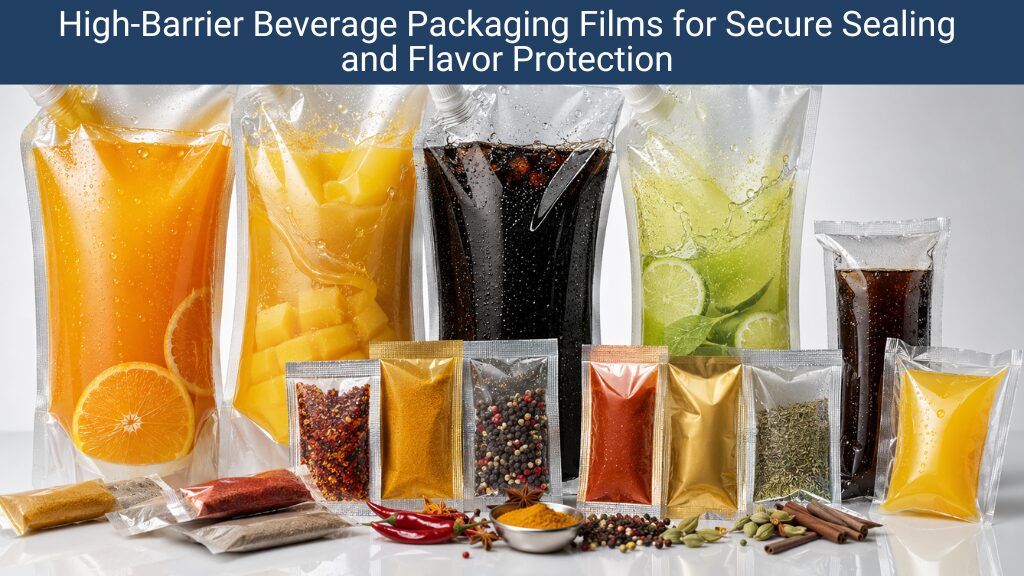
Beverage packaging, including juice and soft drink pouches, requires strong seal integrity to handle liquid fill weight along with a moisture and gas barrier to preserve carbonation and flavor. Laminates for beverages often use PET or BOPP outer layers with a PE sealant for reliable liquid containment.
Spices lose their aroma and color quickly when exposed to light, oxygen, and moisture. Metallized or foil laminates with strong aroma retention are standard for spice packaging, helping preserve the volatile oils that give spices their flavor.
Pet food packaging must handle high fat content that can cause rancidity, along with the need for puncture resistance to survive rough handling during transport and storage. Multilayer laminates combining PE, barrier layers, and BOPA are used to keep pet food fresh over long shelf life periods.
Fresh fruit packaging films need breathability control, since fruit continues to respire after harvest, along with enough clarity for consumers to see the product. Laminates designed for fresh produce balance a controlled gas exchange rate with adequate moisture retention to prevent wilting.
Our Other Product
Vegetable packaging shares many of the same respiration management needs as fruit packaging, requiring a laminate structure that allows a controlled level of gas exchange to extend freshness without causing condensation buildup inside the pack.
| Industry | Primary Threat | Recommended Barrier Focus | Common Film Combination |
| Dairy | Light and oxygen | High | PE with barrier layer |
| Snack food | Oxygen and rancidity | Moderate to high | Metallized BOPP or PET |
| Frozen food | Moisture and cold cracking | Moderate | PE or BOPA laminate |
| Meat and poultry | Oxygen and puncture | High | BOPA with EVOH barrier |
| Seafood | Odor and puncture | High | PA EVOH laminate |
| Coffee and tea | Oxygen, moisture, aroma loss | High | Metallized PET or foil |
| Confectionery and chocolate | Moisture and light | Moderate to high | BOPP or foil laminate |
| Cheese and milk powder | Moisture | High | Foil or metallized laminate |
| Edible oil | Light and oil migration | Moderate | PE with barrier mid layer |
| Beverages | Seal strength and gas retention | Moderate | PET or BOPP with PE seal |
| Spices | Aroma and light | High | Metallized or foil laminate |
| Pet food | Fat rancidity and puncture | Moderate to high | PE, barrier layer, BOPA |
| Fruits and vegetables | Respiration balance | Controlled | Breathable laminate structure |
Vishakha Polyfab manufactures laminated films specifically suited to these food categories, covering solid, liquid, and semi liquid food, dairy, baby food, cheese, milk powder, dried and snack food, tea and coffee, chocolates, confectionery and bakery, biscuits, processed and frozen food, fruits and vegetables, ready to eat food, meat, poultry, and seafood, and pet food, among other applications listed under its VISHLAMI product range. With co extrusion capability up to nine layers, medium and high barrier structures, and nine color rotogravure and CI flexo printing, Vishakha Polyfab helps brands in each of these industries select a laminate that matches their product’s specific spoilage risk while still meeting shelf appeal and machine runnability requirements.
Lamination film selection is never one size fits all across the food industry. A structure built for oxygen sensitive snacks will not necessarily suit moisture sensitive milk powder, and a laminate designed for ambient stable beverages will differ from one engineered for frozen meat. Understanding the specific degradation risk in each category, whether that is oxidation, moisture ingress, aroma loss, or puncture damage, allows packaging teams and manufacturers to design laminates that genuinely extend shelf life rather than simply meeting a generic specification. Partnering with a manufacturer experienced across multiple food categories helps brands get this match right the first time.
Each food category degrades through a different mechanism, such as oxidation, moisture absorption, or aroma loss, so the laminate barrier properties must be matched to that specific risk to effectively extend shelf life.
Milk powder, coffee, and spice packaging generally need the highest barrier laminates because even small amounts of oxygen or moisture ingress noticeably shorten shelf life and degrade flavor or aroma.
Generally not efficiently, since meat packaging needs an absolute oxygen barrier with high puncture resistance, while vegetable packaging often needs a controlled, breathable structure to manage ongoing respiration after harvest.
Frozen food laminates typically combine PE or BOPA layers for cold temperature flexibility and puncture resistance with a moisture barrier to prevent freezer burn during long term storage.
Metallized BOPP or PET film provides a strong oxygen and light barrier at a lower cost and weight than foil, which helps slow down fat oxidation in fried and baked snack products while keeping the pack visually appealing.
Yes, pet food packaging typically uses multilayer laminates combining PE, a barrier layer, and BOPA nylon to resist fat rancidity and withstand rough handling during storage and transport.

Vishakha Polyfab Pvt. Ltd. is a global pioneer in high-barrier flexible packaging, specializing in advanced 9-layer co-extruded PA/EVOH-based films. Headquartered in Ahmedabad, India, the company utilizes world-class Brampton Engineering (Canada) and Aqua Frost® water-quenched technology to deliver superior shelf-life extension solutions. From Modified Atmosphere Packaging (MAP) to deep-draw thermoforming applications, Vishakha Polyfab delivers compliant, high-performance materials that protect product integrity throughout complex international supply chains. Their expertise in vacuum packaging, thermoforming, and lidding films helps enterprise-level brands in the food, pharmaceutical, and industrial sectors optimize packaging performance and sustainability.

Make Vishakha Polyfab the silent guardian of your products to preserve their vigour and enhance the quality of user interaction with them.
Sign Up for Our Newsletter
Corporate Head Office
Social Media
An ISO & BRCGS Certified Company

Manufacturing Address

